Which Roof Tiles are Best?

Roofers Nottingham • February 12, 2022

Which Roof Tiles are Best?

The amount of roof tiles on offer today, can make it quite daunting for property owners to choose which roof tiles are best. Each type of roof tile is unique and has its own benefits for instance durability, longevity, aesthetics etc. Weighing up the pros and cons of each tile type is a good strategy before choosing which is the most suitable for your property. It is also a good idea to contact a professional roofing company for expert advice.


There are several factors to consider when deciding which roof tiles to install:


The Design and Structure of your Roof


The design and pitch of your roof will have a bearing on the most suitable tiles to install. For instance if your roof is low pitched then certain tiles will not be advisable.


Aesthetics


When you are deciding on which roof tiles to install, consider the final finish it will provide your property and whether it will increase kerb appeal. For example, if you live in a period or “traditional” style property then contemporary roof tiles could look out of place. In addition, when choosing the colour of the tiles, pick a shade that compliments your brickwork and property features.


Planning Restrictions in your Area


In some instances, there may be restrictions by your local authority, which could limit your choice of roof tiles. For example, your tiles may need to compliment the appearance of the neighbourhood or have certain environmental properties.


Budget


Drawing up your project budget is a great way to narrow your choice of suitable roof tiles. Your price-range will have a factor on the tiles that will be available. When compiling your budget also take into account transportation, installation and maintenance costs.


Roof Tiles that are the most Durable


Roof tiles are vulnerable and open to the outside elements. With some climates harsher than other. Therefore, it is important you choose tiles that will have longevity and protect the underlying structure of your roof.


Traditional clay tiles are known for their strength and resilience The properties of clay mean they can endure heavy rain and hail, strong winds, extremes of temperature and even fires. Clay tiles can last hundreds of years.


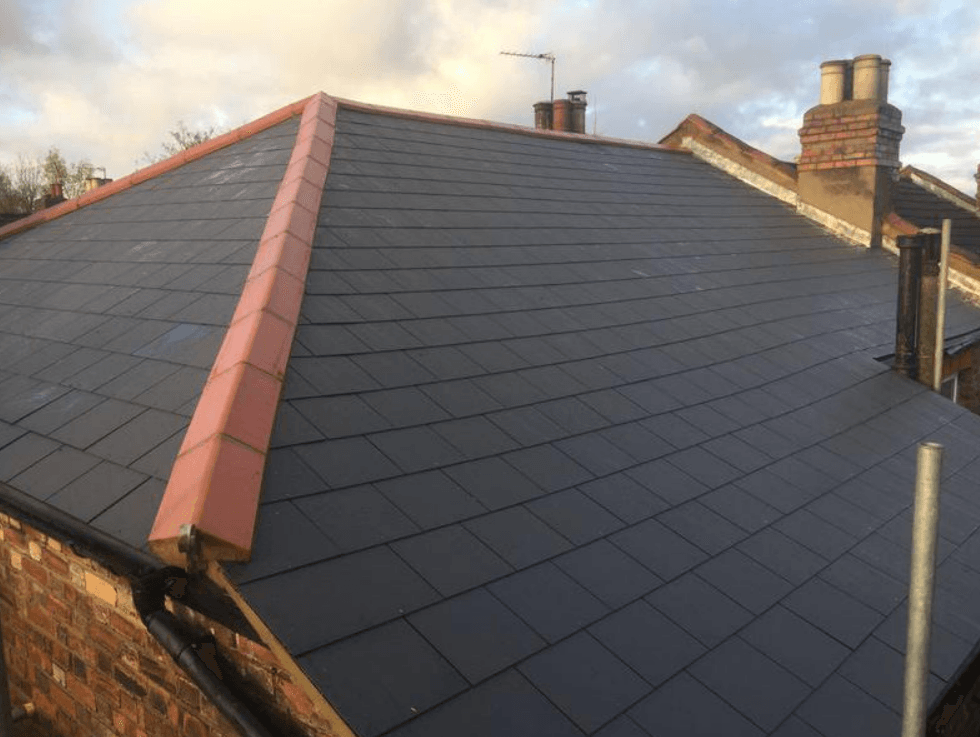
Natural slate tiles are another common choice because of their durability and resilience to exterior elements. Natural slate can hold up to extreme conditions such as strong winds, hot temperatures and snow and hail. Its natural features also make it fireproof.


Roof tiles manufactured from metal are also tough and sturdy. They are constructed to withstand harsh conditions such as rot, mould, fire etc. Metal tiles also possess a lightweight structure.


The most Cost-Effective Roof Tiles


When analysing the cost-effectiveness of roof tiles you need to take into account the purchase price, transportation, installation and maintenance costs. When looking at the basic upfront affordability, concrete tiles are cost effective, around 50 pence per tile. Concrete tiles are also thermally efficient which will help you save money on energy bills.


Fibre cement tiles are manufactured as a low cost alternative to natural slate. This type of tile is lightweight yet tough. In addition fibre cement tiles are easily transported, installed and maintained, keeping extra costs to a minimum.


Metal tiles are a common choice for commercial and domestic properties. Metal roof tiles have been manufactured so they are easy to install and have a reduced purchase and installation price.


The most Environmentally Roof Tiles


With property owners becoming more conscious on sustainability and taking care of the environment, choosing a roof tile that has minimal environmental impact is a top priority.


Lightweight roof tiles give property owners an environmentally friendly option. The manufacturing process is more eco-friendly, most can also be completely recycled at the end of their lifespan. In addition synthetic slate tiles are also fully recyclable at the end of the timespan which minimises their environmental impact.


Roof Tiles for Increasing Energy Efficiency


A property that is energy efficient reduces running costs and is also better for the environment. Certain types of roof tiles help increase the energy efficiency of your property. An energy-efficient roofing material is metal. Roof tiles manufactured from metal reflect the sunlight, helping to keep your roof and property cool during the spring and summer months.


Concrete roof tiles are thermally efficient, helping to keep your property warm by trapping heat beneath the roof structure. This will help keep your energy bills down during the cooler months.


Energy efficient asphalt shingles are increasing in availability. These are created with specialist granules to minimise the absorption of heat. This type of roofing material also encourage improved air circulation.


Tiles for low pitched roofs


Roofs are classed as “low pitch” if they have a fall of 20 degree or less. The roof pitch has a bearing of the materials you can use.


Low pitch roof tiles have been designed and created for installation on pitches that are as low as 10 degrees. Low pitch roof tiles are available in a number of styles and are manufactured using lightweight and durable materials like metal and plastic.


A popular roofing material on low-pitched roofs are interlocking clay and concrete tiles. These are easily installed and are resilient. These can be fitted on pitches as low as 15 degrees.


For expert advice on roof tiles and your free competitive quote, please contact Roofers Nottingham today.

You might also like
September 19, 2026
It is easy to adopt an "out of sight, out of mind" attitude toward your roof. Because we rarely climb up to inspect it, minor issues like a slipped tile, a blocked gutter, or a tiny gap in flashing easily slip past our attention. However, putting off roof maintenance is one of the quickest ways to turn a minor, inexpensive fix into a major financial headache. Understanding how small issues snowball can help you protect both your home and your wallet. Let's look at why contacting professional Roofers Nottingham at the first sign of trouble is always the smartest move. 1. Small Leaks Lead to Big Structural Damage Water has a habit of finding the path of least resistance. A minor leak caused by a single cracked tile might start as a damp patch in the loft, but over weeks or months, it will soak into roof joists, ceiling rafters, and insulation. Prolonged moisture causes timber to rot and weaken, compromising the structural integrity of your entire roof. Calling certified Roofers in Nottingham to patch a leak early prevents deep-seated structural rot that requires extensive carpentry work. 2. The Danger of Rapid Mold and Mildew Growth Where there is trapped moisture, mold is never far behind. Once water penetrates your roof space and settles into drywall or insulation, mold spores can multiply rapidly. Not only does this emit a persistent musty odor, but indoor mold growth can also trigger allergies and respiratory issues for your family. Professional remediation and roof sealing stop moisture at the source before mold takes over. 3. Escalating Energy Bills You might not connect your roof to your heating and cooling bills, but the two are closely linked. Gaps, holes, or degraded insulation in your roof allow conditioned air to escape and outside air to draft in. This forces your heating system to work much harder during chilly months to keep your home warm, leading to higher monthly utility bills. 4. Protecting Property Value If you plan on selling your home in the future, a damaged or neglected roof is an immediate red flag for prospective buyers and surveyors. Visible sagging, missing tiles, or water stains will drastically lower your property's market value and can even derail a house sale at the final hurdle. Investing in upkeep through trusted Roofing Companies Nottingham keeps your home market-ready and structurally sound. Stay Ahead with Proactive Maintenance Routine inspections and prompt repairs cost a fraction of what you would pay for a full roof replacement. Pro Tip: Schedule a quick visual check from the ground or hire a professional to inspect your roof after any major seasonal storm. If you have spotted an issue or want peace of mind before the weather turns, reach out to experienced Roofers Nottingham today to schedule a comprehensive property assessment.
JTB Roofers Nottingham Team stood in front of roofing van
August 16, 2026
Looking for reliable roofers nottingham? Discover key warning signs your roof needs attention and rely on our roofing nottingham services. Get a free quote!
By JTB Roofers Nottiingham May 13, 2025
As summer rolls into Nottingham, we often welcome the sunny skies and longer days. But while we’re enjoying the sunshine, your roof might be quietly taking a hit. At JTB Roofers Nottingham, we know that heat and prolonged sun exposure can cause unexpected issues for your roofing system – even in the UK, where scorching summers may not be the norm, but warmer weather is becoming more frequent. Whether you're a homeowner in Mapperley or a business owner in the Lace Market, here are some key hot weather roof maintenance tips to help protect your property during those warmer spells. 1. Inspect for Sun Damage Hot weather can cause roofing materials to expand, warp, or crack – particularly older felt, slate, or concrete tiles. Nottingham roofs, especially those exposed to prolonged direct sunlight on south-facing slopes, are at greater risk. Tip: Check for signs of fading, curling edges, or brittle materials. If you’re unsure what to look for, book a quick inspection with our team. 2. Clear Out Gutters and Downpipes It might not rain much during a hot spell, but when it does, sudden summer showers can cause problems if your gutters are clogged with debris. Blocked drainage can lead to water pooling on flat roofs or overflowing onto walls. Tip: Clear out gutters and check that water is flowing freely. If you have a commercial building in Nottingham city centre, routine gutter maintenance is even more crucial. 3. Check for Loose or Damaged Tiles The combination of heat and thermal movement can loosen tiles or cause existing cracks to worsen. This leaves your roof vulnerable to further damage – particularly when cooler weather returns and causes materials to contract. Tip: Keep an eye out for visibly misaligned tiles or granules collecting in your gutters (a sign of tile erosion). 4. Flat Roofs Need Extra Attention Nottingham’s flat-roofed homes and businesses – common in extensions and commercial buildings – are particularly prone to UV damage. Sun exposure can cause felt or membrane roofing to blister, bubble, or become brittle. Tip: Have your flat roof checked every summer. Preventative maintenance is far cheaper than a full replacement. 5. Ventilation Is Vital High attic or loft temperatures can lead to moisture build-up, mould, or even premature deterioration of roofing materials. Proper ventilation allows hot air to escape and helps keep your roof structure in better condition. Tip: If your loft feels like a sauna during warm days, give us a call. We can assess whether your current ventilation is up to the job. 6. Schedule a Professional Roof Health Check Even if everything looks fine from the ground, there could be underlying issues that only a trained roofer would spot. At JTB Roofers Nottingham, we offer free roof health checks during the summer months to give you peace of mind. Why Trust JTB Roofers Nottingham? Local Experts – Serving all areas of Nottingham including Beeston, West Bridgford, Arnold, and beyond. Experienced & Reliable – With decades of combined experience, we handle everything from minor repairs to complete reroofs. Friendly Advice, No Hard Sell – We’re here to help, not to pressure you into unnecessary work. Book Your Summer Roof Inspection Today Hot weather might not scream “roof trouble,” but it’s often the silent season where damage starts building up. Let us help you catch problems early and keep your home or business safe, dry, and cool all year round. visit https://www.roofersofnottingham.co.uk to request a callback.

BOOK YOUR FREE QUOTE